Specialist MSK Physiotherapist · Harrow
Expert care for spinal pain, sports injuries and complex MSK conditions
Clear diagnosis, honest advice and a plan built around your goals, with injection and shockwave therapy in the same clinic.
Spinal pain
Sports injuries
Complex MSK
Injection therapy
Shockwave therapy
MSc, MCSP, BASRaT registered
Consultant referred
All major insurers accepted
Rated 5 stars on Google
All major private medical insurers accepted
Prices & insurance →

Meet your physio
Hi, I'm Bradley
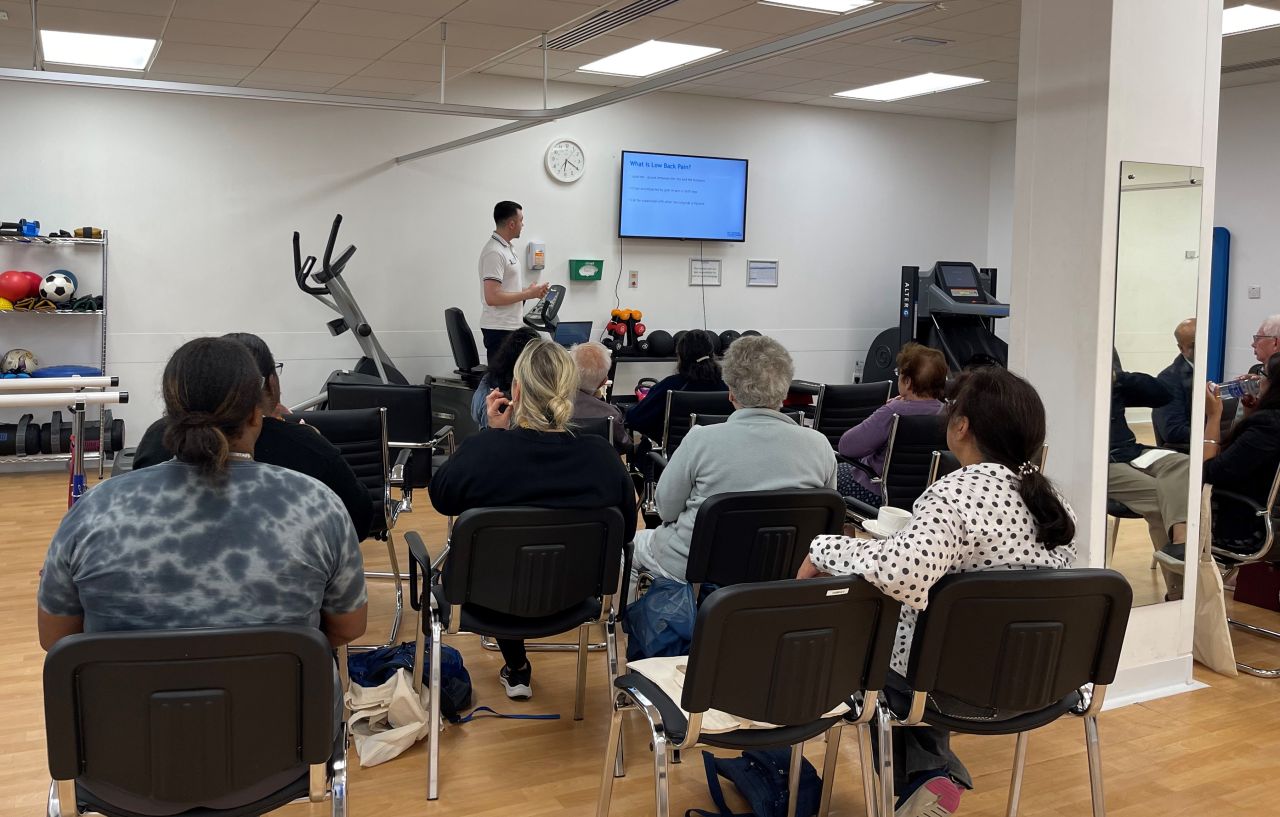
I'm a specialist musculoskeletal physiotherapist at The Body Factory in Harrow. Consultants in rheumatology, orthopaedics, neurosurgery and sports medicine refer their patients to me. Whether it's a long-standing back problem or a sports injury, I'll explain what's going on and build a plan around your goals.
MSc, MCSP, BSc (Hons)
Postgraduate training at UCL and Teesside University
Published research
Including a consensus paper in BJSM
Military & elite sport
Royal Marines, RAF and elite rugby
Services
Treatment that goes beyond exercises
Every course of treatment starts with a thorough assessment, then uses the right tools for your problem.

Start here
Specialist assessment
A detailed examination to find the cause of your pain, with diagnostic imaging arranged where it's needed.
Learn more →

Joints & tendons
Injection therapy
Steroid and hyaluronic acid injections to settle pain in the shoulder, knee, hip and other joints.
Learn more →
Tendon pain
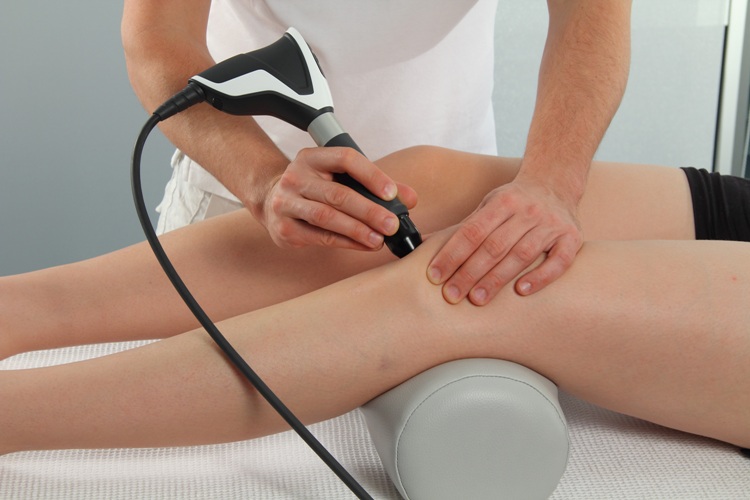
Shockwave therapy
Evidence-based treatment for stubborn tendon and heel pain, including plantar fasciitis and tennis elbow.
Learn more →
What to expect
Your first visit, step by step
1
Book your appointment
No referral needed. Book through The Body Factory or send Bradley a message. If you're using private medical insurance, have your policy details and authorisation number to hand.
2
A thorough assessment
I'll listen to your story and examine you to find the cause of your pain. I'll explain what's going on in plain English and arrange imaging if it's needed.
3
A plan that fits your goals
You leave with a clear treatment plan and exercises in your personal app. Injections or shockwave therapy are added if they'll help.
From the clinic
Answers to the questions patients ask most
Plain-English, evidence-based guides written by Bradley.

Spine · 6 April 2026 · 22 min read
Sciatica Explained: What It Is, Why It Happens, and What Actually Helps

Spine · 6 April 2026 · 10 min read
You've Had Spine Surgery: What Should You Actually Do in the First 6 Weeks?

Joint pain · 28 March 2026 · 7 min read
Why Does the Outside of My Hip Hurt? Gluteal Tendinopathy (GTPS) Explained
Patient reviews
What patients say on Google
★★★★★
5.0 star rating on Google
RK
Google review
★★★★★
Meeting Bradley has been nothing short of transformational. What sets Bradley apart is the depth of clinical insight he brings, combined with a clear, structured path to both recovery and long-term sustainability. I genuinely feel fortunate to have crossed paths with him.
VR
Google review
★★★★★
Outstanding service from Bradley. I was really impressed when he quickly diagnosed my issue which wasn't what I had thought it was. He quickly designed a treatment plan which has put me on a pathway to recovery. This has meant a great deal to me as it had been really hard for me to not be able to walk properly for many months.
GL
Google review
★★★★★
Amazing experience with Bradley! He is so knowledgeable and helps you to set very realistic and attainable goals!
AM
Google review
★★★★★
Bradley was thorough in his advice on the type of treatment I was having for my plantar fasciitis and Tennis Elbow. He's professional approach and kind manners made me feel very comfortable and happy to do my Physio sessions on a regular basis. Thanks Bradley for your help.
VM
Google review
★★★★★
Had a great experience seeing Bradley. I found our physio sessions very informative as he took the time to understand and explain what was causing me discomfort. Using the app and stretches he gave me has really improved my back.
CA
Google review
★★★★★
Bradley is so patient and attentive. He listened to my issues, recommended which medication might be beneficial to deal with pain. Bradley even sent me personalised app to help me with exercising. So looking forward to seeing improvements. And thanks for arranging my xray on my 1st appointment with you for which I'm eternally grateful
AM
Google review
★★★★★
Very useful session, had dislocated my shoulder and saw multiple physios prior, definitely was most helpful.
ND
Google review
★★★★★
I had a very positive experience when treated by Bradley. He explained everything very well at each stage of the treatment. Apart from the actual treatment I went to him for he was happy to discuss other health issues and explain things in detail. I highly recommend him.
BM
Google review
★★★★★
brad is really helpful and friendly, my course of physio was tailored not only to what i needed but also what i wanted to get out of it personally and i found the whole experience very helpful and beneficial
Scroll or swipe sideways to read more reviews
See all reviews on Google ↗For GPs & consultants
Referring a patient?
Consultants in rheumatology, orthopaedics, neurosurgery and sports medicine refer patients with complex spinal and musculoskeletal problems to me. I'm happy to discuss a patient before you refer, and I'll keep you updated on their progress. I also support medico-legal cases.
Ready to get moving again?
Appointments at The Body Factory, 105 Nibthwaite Road, Harrow. Self-pay or through your private medical insurer.